Drugstore vs. Designer: We Broke Down the Ingredients So You Know Exactly When to Splurge and When to Swap
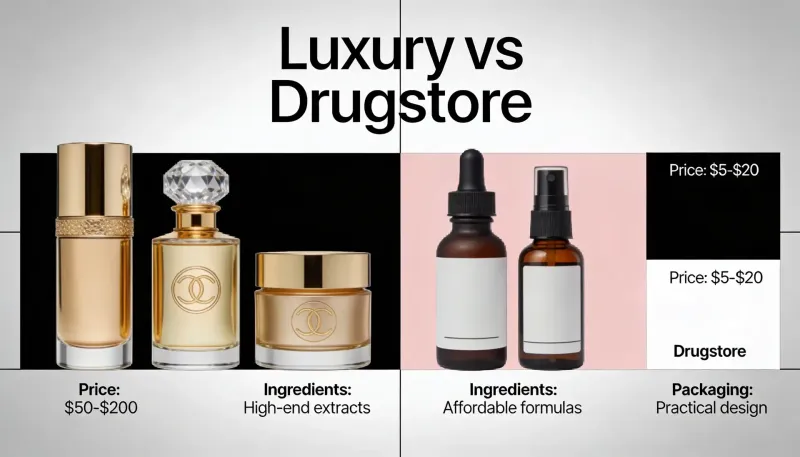
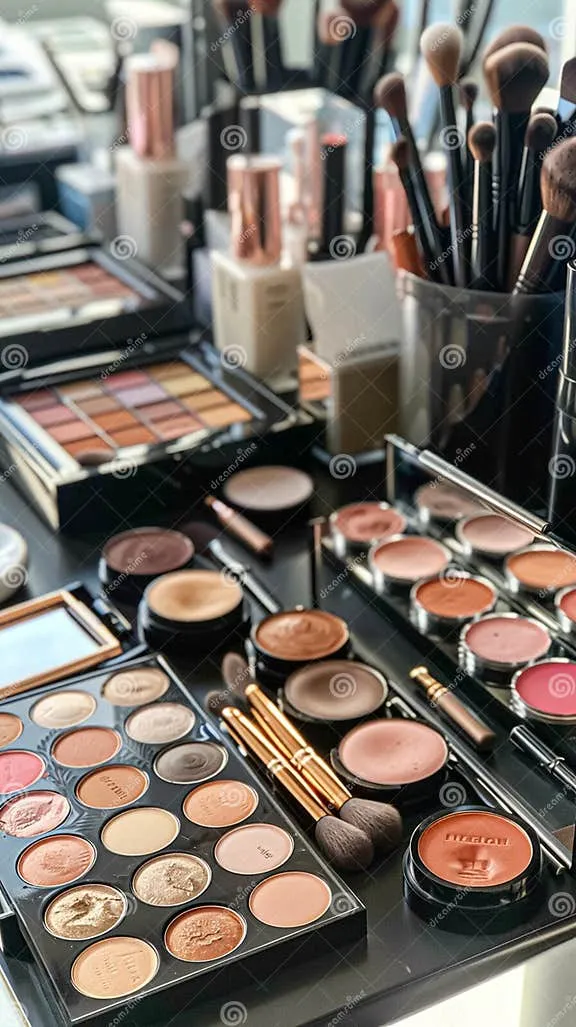
Photo: drugstore and luxury makeup products side by side flat lay comparison, via laxary.com
Dupe culture is having a serious moment. Scroll through any beauty corner of TikTok or Instagram and you'll find creators confidently declaring that a $9 drugstore find is "literally the same" as a $52 department store staple. Sometimes they're right. Sometimes they're very, very wrong. And figuring out which is which requires going a little deeper than a side-by-side swatch video.
At FC Makeup Store, we're all about helping you spend your beauty budget smartly — and that means being honest about when a swap makes total sense and when the higher price tag is actually buying you something real. So we did the work: ingredient comparisons, texture testing, and wear-time observation across categories. Here's what we found.
Why Ingredient Lists Are a Starting Point, Not the Whole Story
First, a reality check. Two products can share almost identical ingredient lists and still perform completely differently. Why? A few reasons.
Concentration matters enormously. Ingredients are listed in descending order by percentage, so a hyaluronic acid that appears fifth on one list versus fifteenth on another represents a significant formulation difference — even though both products technically "contain" it. Brands aren't required to disclose exact percentages, so this is where label reading becomes an art rather than a science.
Particle size, manufacturing process, and the ratio between ingredients also shift how a formula behaves on skin. A pigment that's been milled more finely will apply more smoothly and blend more seamlessly, even if the pigment itself is chemically identical to a coarser version in a cheaper product. These are the kinds of differences that don't show up on a label but absolutely show up on your face.
With that caveat in place, here's where the ingredient analysis actually gets useful.
Where Drugstore Genuinely Wins: Mascara
This is the category where the dupe argument is most consistently supported by real-world testing. Mascara formulas across price points tend to rely on the same core ingredients: waxes (carnauba, beeswax, candelilla), film-forming polymers, and pigments — almost universally carbon black or iron oxides. The differences between a $10 drugstore mascara and a $30 prestige one often come down to the brush design and the specific wax ratios, not some proprietary magic ingredient.
L'Oréal Voluminous and Maybelline Lash Sensational have been going head-to-head with high-end options for years, and in repeated blind tests, they hold their own. If you're loyal to a $28 or $30 mascara primarily out of habit, this is the category where trying a drugstore swap is genuinely low-risk.
One real caveat: if you have sensitive eyes or wear contacts, the preservative system in the formula matters more than the core ingredients, and some prestige mascaras do use gentler preservative blends. Worth checking if irritation is a concern for you.
Where the Prestige Formula Actually Earns Its Price: Foundation
Foundation is where the dupe conversation gets complicated fast, and where we'd push back hardest on the "it's literally the same" crowd.
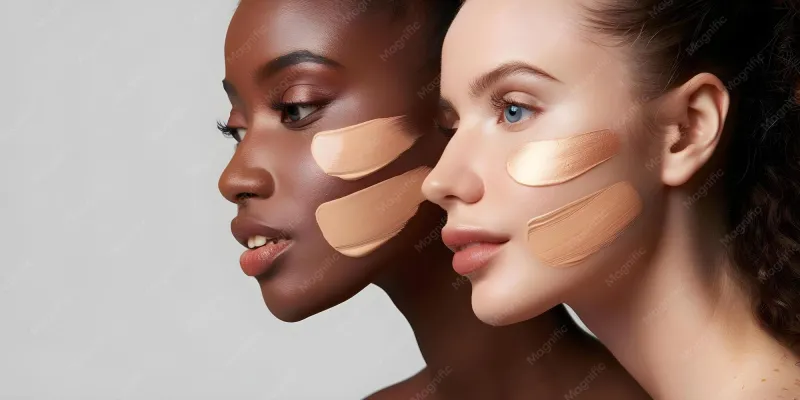
The differences between a $15 drugstore foundation and a $50 prestige one can be significant, and they often live in the details: the type and quality of the skin-conditioning agents, the sophistication of the SPF integration (if present), and especially the pigment load and distribution. Higher-end foundations frequently use more refined pigments and a broader range of them, which is a major factor in why they tend to perform better across diverse skin tones and why shade ranges at prestige brands have historically been more nuanced.
That said, this isn't a blanket endorsement of expensive foundations. Drugstore brands have genuinely closed the gap in recent years. L'Oréal True Match and Maybelline Fit Me are formidable products at their price point. But if you've tried a budget foundation and found it oxidizing throughout the day, separating around your pores, or looking flat and cakey by noon, those are signs you may be hitting the limits of what the formulation can do — and investing up might actually solve the problem rather than just making you feel better about your purchase.
The Lipstick Situation: It's Genuinely Complicated
Lip products are where the dupe debate gets philosophically interesting. The core ingredients of any cream lipstick — waxes, oils, pigments, emollients — are relatively standardized across the industry. A bullet lipstick from a drugstore brand and one from a luxury house are, at their core, built from similar materials.
But here's what changes: the feel of those materials, which is determined by the specific oils used (castor oil vs. more expensive plant-derived oils), the wax blend, and the way the formula is processed. Luxury lipsticks often feel silkier, more comfortable, and more pigmented in a single swipe — not because they've discovered some secret ingredient, but because they're using higher-grade versions of the same ingredients and spending more on the manufacturing process.
For everyday wear, a $10 drugstore lipstick in a shade you love is a completely defensible choice. For something you're wearing to an event, for photos, or for a deep or very precise color that needs to look flawless, the prestige version often earns its keep.
Eyeshadow Palettes: The Dupe That Usually Holds Up
Pigment is pigment, and the eyeshadow category is one where drugstore and mid-range brands have made enormous strides. The E.l.f. and NYX palettes that creators constantly compare to Urban Decay and Charlotte Tilbury? In many cases, the comparisons are fair.
Where prestige eyeshadow palettes do maintain an edge is in blendability and longevity. Higher-end palettes tend to use binders and base ingredients that make the shadow easier to work with, blend more smoothly, and stay put longer without creasing. If you're a beginner, a higher-quality palette might actually make the learning curve easier. If you're experienced and know how to work with the product, you can absolutely make a drugstore palette perform.
Skincare-Makeup Hybrids: Spend More Here
This is an emerging category — tinted moisturizers, skin tints, serum foundations — where we'd genuinely recommend not cutting corners. These products are making active skincare claims (hydration, barrier support, SPF protection), and in this space, the concentration and quality of those active ingredients actually matters for your skin, not just your coverage.
A budget skin tint with SPF 30 on the label may technically meet the minimum requirement, but the photoprotection may be less evenly distributed or less cosmetically elegant than a prestige version. For products that are doing double duty on your skin, the formulation quality gap tends to be more meaningful.
How to Actually Use This Information
The practical takeaway isn't "always buy drugstore" or "prestige is always worth it." It's that different categories have different stakes, and knowing which is which lets you allocate your budget intentionally.
Save on mascara, most lip products, and eyeshadow palettes if you're comfortable with the formulas. Be more selective with foundation and anything making active skincare claims. And always — always — read the ingredient list with an eye toward not just what's in there, but where it falls on the list.
Your makeup bag doesn't need to be all luxury or all budget. The smartest beauty routines are the ones that mix both strategically — and now you have the framework to do exactly that.