Your Favorite Lipstick Changed and You're Not Imagining It — Here's the Business Behind Beauty Reformulations
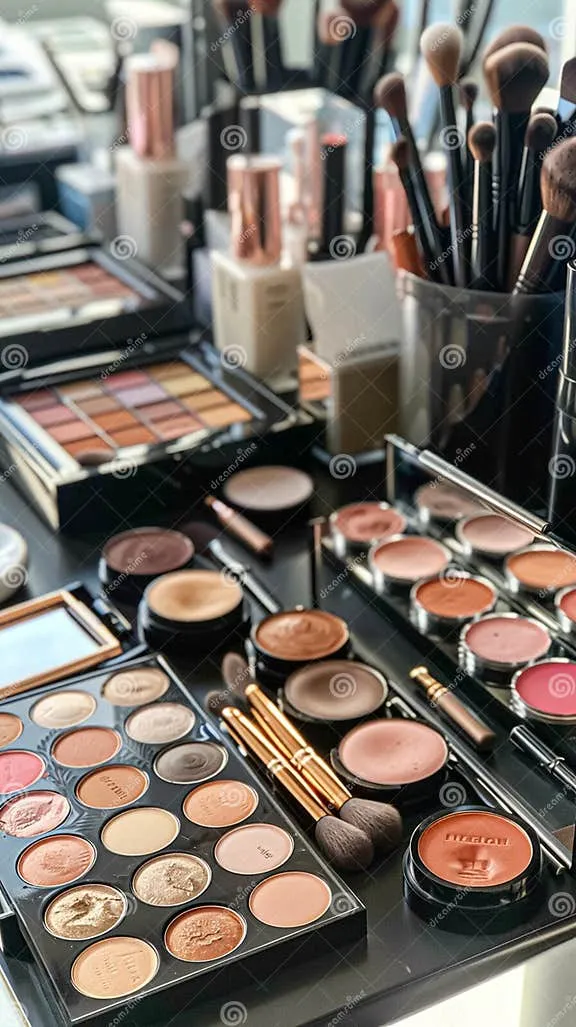
Photo: makeup products flatlay cosmetics collection lipstick foundation beauty routine, via thumbs.dreamstime.com
There's a particular kind of beauty grief that doesn't get talked about enough. It's not dramatic. Nobody posts a tribute. But it's real — the moment you realize your holy grail product has quietly, without announcement, become something completely different. The texture is wrong. The pigment payoff dropped. The shade you've repurchased six times now pulls slightly pinker than it used to.
You're not losing your mind. Your product got reformulated. And if you've been wearing makeup for more than a few years, it's happened to you more than once.
Why Brands Reformulate in the First Place
Let's start with the honest answer: brands reformulate for a whole mix of reasons, and not all of them are about making your product better.
Ingredient supply and cost. Raw material availability shifts constantly. An ingredient that was affordable and plentiful in 2020 might be significantly more expensive or harder to source in 2024. When that happens, brands often swap in alternatives — sometimes comparable, sometimes noticeably different in texture or performance.
Regulatory changes. The US has historically been more permissive than the EU when it comes to cosmetic ingredients, but that's been slowly changing. When an ingredient gets restricted or flagged — by the FDA, by state-level regulations like California's Toxic-Free Cosmetics Act, or by international standards for brands that sell globally — a reformulation becomes necessary. This is actually one of the more legitimate reasons, even if the result isn't always an improvement for the end user.
Manufacturing consolidation. When a big beauty conglomerate acquires a smaller brand (which happens constantly in this industry), production often shifts to a centralized facility. The formula gets adjusted to fit the new equipment, the new supply chain, the new cost targets. The brand might stay the same. The product, quietly, does not.
'Improvements' that aren't always improvements. Sometimes brands genuinely believe they're making something better — better wear time, better skin compatibility, cleaner ingredients. And sometimes they are! But 'better' is subjective, and a formula optimized for one thing (say, longevity) might sacrifice something else (like the exact color payoff you loved).
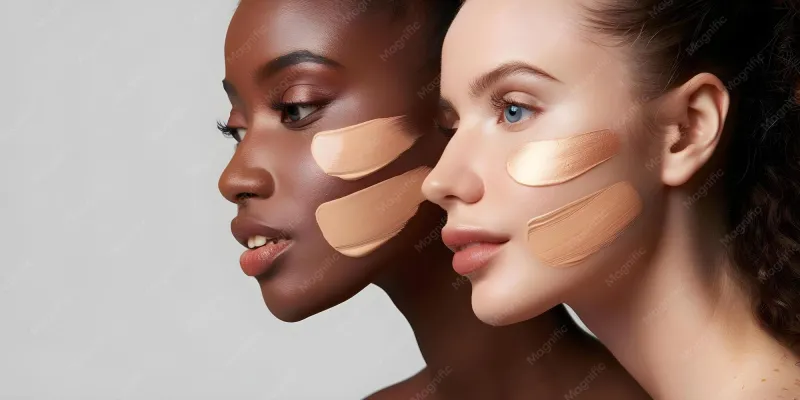
Shade discontinuation is its own beast. This one often comes down to pure sales data. If a shade isn't moving fast enough, it gets cut — even if it was a perfect match for a specific skin tone that doesn't have a lot of other options in the market. It's a business decision that can feel deeply personal, especially for people with deeper or more unusual undertones who worked hard to find that shade in the first place.
The Signs a Product Has Changed (Even When the Packaging Hasn't)
Brands are not legally required to announce reformulations, and most don't make a big deal of them. So how do you know? A few telltale signs:
- The texture feels noticeably different on application — thicker, thinner, greasier, drier
- The shade pulls differently in different lighting or against your skin
- The wear time has changed significantly
- The scent is different (yes, this happens)
- The packaging looks almost the same, but there's a subtle update — a new shade name, slightly different font, or a new 'improved formula' badge
Beauty communities on Reddit (r/MakeupAddiction and r/SkincareAddiction are good starting points) and review sections on retailer sites are often the first places reformulations get flagged by eagle-eyed consumers. If something feels off, a quick search usually confirms whether others are experiencing the same thing.
How to Handle It When Your Holy Grail Gets Pulled or Changed
Don't panic-buy. The instinct when you hear a product is being discontinued is to stock up. Resist this for anything with a shorter shelf life — most liquid foundations, mascaras, and cream products have a shelf life of 12 to 24 months once opened. Buying ten backups of a liquid foundation is probably not the move.
Document your shade and formula details. Keep a running note (your phone's notes app works fine) with the exact product name, shade name, shade number, and finish of everything that works well for you. When you need to find a dupe or replacement, this information is gold.
Use dupe-finding tools. Websites like Dupethat.com and the Specktra forums, as well as dedicated TikTok accounts, have made dupe-hunting significantly easier. These communities do serious side-by-side testing and can often point you toward an alternative before you've wasted money on trial and error.
Reach out to brands directly. This sounds old-fashioned, but it works. Many brands have customer service teams who can tell you if a reformulation happened, what changed, and sometimes — especially with shade discontinuations — whether a similar shade exists in a different product line.
Give the new formula a real chance. Sometimes a reformulation is genuinely better, and the adjustment period is just that — an adjustment. Use the new version for a few weeks before writing it off entirely. Your perception of a product is partly muscle memory, and sometimes what feels 'wrong' is just 'different.'
A Note on Shade Ranges and Who Bears the Cost
It's worth naming something directly: reformulations and shade cuts don't hit all consumers equally. Extended shade ranges — particularly at the deeper and lighter ends of the spectrum — are often the first to get trimmed when a brand is streamlining. This disproportionately affects consumers with deeper skin tones, who already face fewer options across the industry.
If a brand cuts shades that serve deeper complexions while keeping the mid-range intact, that's worth calling out. Beauty communities have gotten pretty good at holding brands accountable for this on social media, and it does seem to have some effect — several brands have reversed discontinuation decisions after significant public pushback.
The Bigger Picture
Here's the thing about the makeup cycle: it's not going to stop. Formulations will keep changing, shades will keep getting cut, and brands will keep getting acquired and consolidated. It's the nature of a consumer product industry operating at scale.
What you can control is how informed you are. Know your shades, know your ingredients, stay plugged into beauty communities, and don't let brand loyalty override your own experience. If a reformulated product isn't working for you, that's valid — and there's almost certainly something else out there that will.
At FC Makeup Store, we're big believers in building a routine that works for you, not just for the brand's bottom line. Your face, your rules — even when the products keep changing.