Stop Tossing Perfectly Good Makeup: The Real Truth About Product Shelf Life
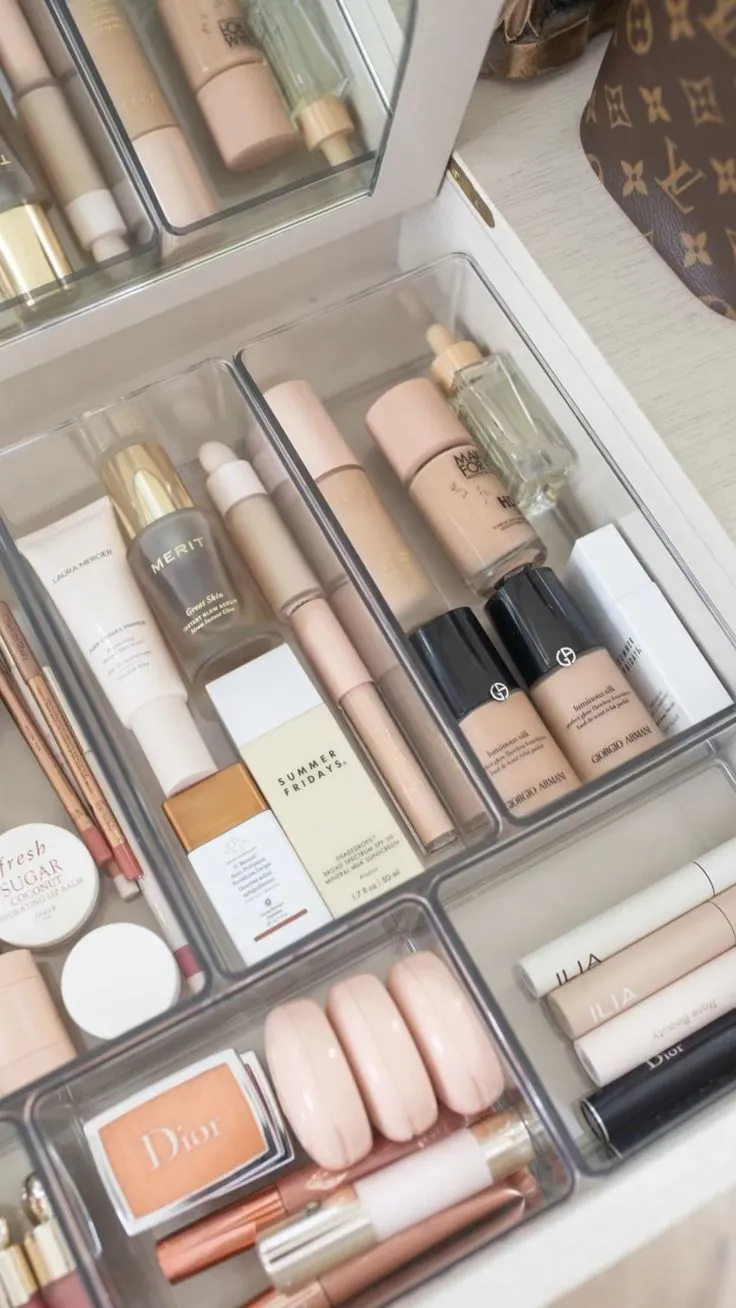
Photo: organized makeup drawer with cosmetics products flatlay, via i.pinimg.com
You open your makeup drawer, spot a foundation you haven't touched in a while, and immediately feel that guilt spiral coming on. Should I throw this out? The PAO symbol says 12M and it's been... longer than 12 months. Before you toss half your collection into the trash, take a breath. Makeup expiration is real — but it's also wildly misunderstood, and the beauty industry doesn't always make it easy to sort out the facts.
Let's break down what's actually happening inside your products, what genuinely poses a safety concern, and what's basically fine sitting in your drawer for the long haul.
First, What Is That Little Open Jar Symbol Anyway?
That icon — technically called the Period After Opening (PAO) symbol — shows up on most cosmetics sold in the US and EU. It tells you how many months a product is considered optimal after you first open it. You'll see numbers like 6M, 12M, 24M, and so on.
Here's the catch: PAO guidelines are set by manufacturers based on ideal conditions, and they're often conservative by design. They're not always a hard deadline. Think of them less like a food expiration date and more like a "best by" suggestion — context matters a lot.
The real question isn't just how long you've had something. It's what's in it, how it's stored, and how it's been used.
The Products That Actually Deserve Attention
Mascara
Mascara is the one product where the 3-month rule is genuinely worth respecting. Every time you pull that wand out and pump it back in, you're introducing air and bacteria into a dark, moist tube — basically a petri dish situation. Eye infections from old mascara are real and can range from annoying to seriously uncomfortable. If it smells off, clumps weirdly, or it's been more than three to four months, let it go.
Liquid and Cream Foundations
Water-based liquid foundations are more vulnerable to bacterial growth than you might think, especially if you're applying them with your fingers. Cream formulas — think cream blushes, cream contour sticks, and liquid-to-powder hybrids — fall into the same camp. Once you notice separation, a change in smell, or a strange texture, that's your real signal to move on. Most last comfortably between six months and a year when stored properly.
Lip Gloss and Liquid Lipstick
Lip products touch your mouth constantly, which means they pick up a lot of bacteria over time. Glosses with doe-foot applicators are especially prone to this. A year is a reasonable outer limit for most liquid lip products. Bullet lipsticks made with wax formulas tend to last longer — more on that below.
Skincare-Infused Makeup
If your foundation or concealer is loaded with active ingredients — think vitamin C, retinol, or hyaluronic acid — those actives degrade over time and can become less effective or, in rare cases, irritating. Check the full ingredient list before assuming a "skincare-first" formula has the same stability as a traditional one.
The Products That Are Basically Built to Last
Pressed and Loose Powders
Powders — setting powders, bronzers, blushes, eyeshadow palettes — have very low water content, which makes them inhospitable to the bacteria that cause product breakdown. A powder blush you bought two years ago is almost certainly still usable. The main concern is sanitation: keep brushes clean, avoid introducing moisture, and don't double-dip with wet tools. Stored well, many powder products can last three to five years without any real degradation.
Eyeliner Pencils
Wood or plastic pencil liners are actually pretty hardy. Since you sharpen them regularly, you're constantly exposing a fresh, clean surface. A pencil liner can last two years or more without issue, as long as you're sharpening before each use and keeping the cap on.
Wax-Based Lipsticks
Traditional bullet lipsticks made primarily with wax and oil can stay good for one to two years, sometimes longer. If it smells rancid (think: old crayons or a waxy, stale odor), that's oxidation happening — and that's your actual cue to toss it. A slight color shift isn't necessarily a dealbreaker.
Eyeshadow Palettes
Powder palettes are workhorses. Keep them dry, clean your brushes, and avoid pressing wet fingers into the pans, and a good palette can easily be a three-to-four-year investment. The shimmer pans with binding agents may shift texture slightly over time, but they're rarely unsafe.
The Storage Factor Nobody Talks About Enough
Here's something the PAO symbol doesn't account for: how you store your makeup matters just as much as how long you've had it.
Humidity is one of the biggest culprits. Keeping your makeup in the bathroom — where steam from showers raises moisture levels constantly — accelerates breakdown across the board. Powder products can get chalky or crumbly. Cream products can separate faster. If you can, move your collection to a bedroom vanity or dresser.
Heat is another issue. Direct sunlight or a spot near a heating vent can melt wax-based formulas, degrade pigments, and cause oils in liquid products to go rancid faster. A cool, dry drawer or a dedicated makeup organizer away from windows is genuinely the best storage setup.
Contamination is the third piece of the puzzle. Using dirty brushes, applying product directly with your fingers, or storing opened products without caps all introduce bacteria that speed up the timeline. Clean tools = longer-lasting products. It's that simple.
How to Actually Assess What's Still Good
Instead of following PAO dates to the letter, use your senses as a first check:
- Smell it. A sour, rancid, or "off" smell is a strong signal something has changed chemically.
- Look at the texture. Separation, clumping, or a gummy consistency in products that were once smooth is a red flag.
- Check the color. Significant color shifts — especially in foundations going orange or lipsticks going brown — can indicate oxidation.
- Think about how it performs. If it's not blending the same way, pilling, or sitting unevenly on skin, the formula may have degraded.
If a product passes all four of those checks, it's likely still usable — PAO date or not.
The Bottom Line
Expiration dates in makeup are a guide, not a gospel. Being informed about which products carry actual safety concerns (hi, mascara) versus which ones are essentially stable for years (looking at you, pressed powders) lets you make smarter decisions about what to keep and what to replace. Your makeup collection is an investment, and understanding the real science behind shelf life means you can enjoy every last shade without the unnecessary guilt — or the unnecessary spending.